Fact Blog
Beware of “Free In-Game Currency” — Roblox Scams Targeting Children
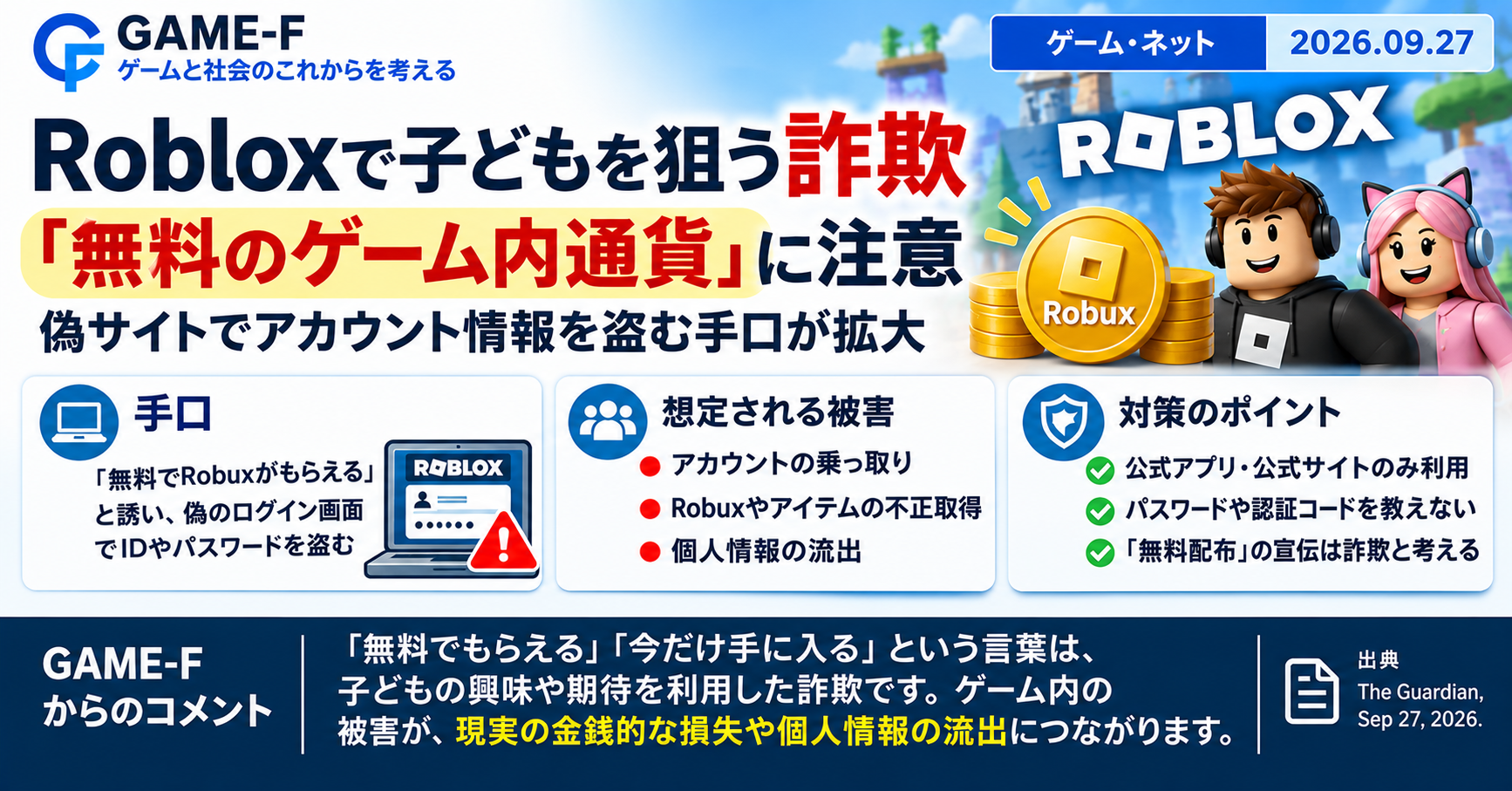
On September 27, 2026, the British newspaper The Guardian reported on scams targeting users of the online gaming platform Roblox, particularly children. These phishing scams falsely promise free in-game currency, known as Robux, to steal users' account information.
Roblox is an online platform where users can create, publish, and play a wide variety of games. Its virtual currency, Robux, is used to purchase avatar clothing, accessories, and other in-game items. Robux can also be purchased with real money.
In the reported scams, messages promising "free Robux" are posted in YouTube and TikTok comment sections, Discord chats, and other online spaces. These messages contain links directing users to fake login pages that closely resemble the official Roblox website. When users enter their usernames, passwords, or even two-step verification codes, this information can be stolen.
Some fraudulent websites automatically redirect users to the genuine Roblox website after they enter their information, making it difficult for victims to realize that they have been deceived. Stolen account information may then be used to hijack accounts or gain unauthorized access to Robux and valuable in-game items.
According to research by cybersecurity company NordVPN, approximately 200 addresses selling tools for creating fake Roblox login pages were identified within just seven days. This finding raises concerns that such scams may become increasingly accessible even to individuals without advanced technical skills.
Roblox itself warns that unofficial offers of free Robux are scams. The company advises users to avoid entering login information outside its official app or website and never to share passwords or verification codes with others.
Comment from GAME-F
In online games, collecting items and earning virtual currency are important sources of enjoyment for many children. However, phrases such as "Get it for free" or "Limited-time offer" can also be used by scammers to exploit children's curiosity and expectations.
An important aspect of this case is that scams do not necessarily begin within the games themselves. They can also originate on platforms that children use regularly, such as YouTube, TikTok, and Discord. As online games and social media become increasingly interconnected, children may encounter more opportunities to be exposed to fraudulent information.
Furthermore, although in-game currency exists as numbers displayed on a screen, it can have real economic value because it can be purchased with actual money. Children need to understand that losses within virtual gaming environments can lead to real-world financial harm and the exposure of personal information.
References
Hickey S. ‘Mum, where did my Robux go?’ The Roblox scam targeting children. The Guardian. September 27, 2026.
https://www.theguardian.com/games/2026/sep/27/mum-where-did-my-robux-go-the-roblox-scam-targeting-children
Roblox. How to Avoid Fraud and Scams.
https://about.roblox.com/ja/frauds-and-scams
Roblox Support. Free Robux or Subscription Generators.
https://en.help.roblox.com/hc/en-us/articles/204262550-Free-Robux-or-Subscription-Generators


Latest Fact Blog
-
Business2026.11.20GTA 6 Generates Approximately $6 Billion on Its First Day—Gaming Industry Growth and Age Ratings
-
Society & Policy2026.11.10Japan Proposes Age-Based Guidance for Children's Social Media Use—From Parental Control to Growing Independence
-
Business2026.11.09Capcom's Sales Rise 49%: The Strategy Behind Long-Selling Games
Category
Archive
- 2026-11 (4)
- 2026-10 (6)
- 2026-9 (12)
- 2026-8 (11)
- 2026-7 (5)
- 2026-6 (3)
- 2026-5 (2)
- 2026-4 (2)
- 2026-3 (3)
- 2026-2 (1)
- 2026-1 (2)
- 2025-12 (1)
- 2025-10 (1)
- 2025-9 (3)
- 2025-7 (2)
- 2025-6 (1)
- 2025-3 (1)
- 2024-11 (1)
- 2024-9 (1)
- 2024-8 (2)
- 2024-4 (1)
- 2024-3 (1)
- 2023-8 (1)
- 2023-7 (1)
- 2022-11 (1)
- 2022-9 (1)
- 2022-7 (1)
- 2022-6 (1)
- 2022-4 (1)
- 2022-1 (1)